How to Recognize and Overcome Gambling Addiction: A 2026 Guide to Responsible Gaming and Finding the Best Crypto Casino Alternatives
How to Recognize and Overcome Gambling Addiction: A 2026 Guide to Responsible Gaming and Finding the Best Crypto Casino Alternatives
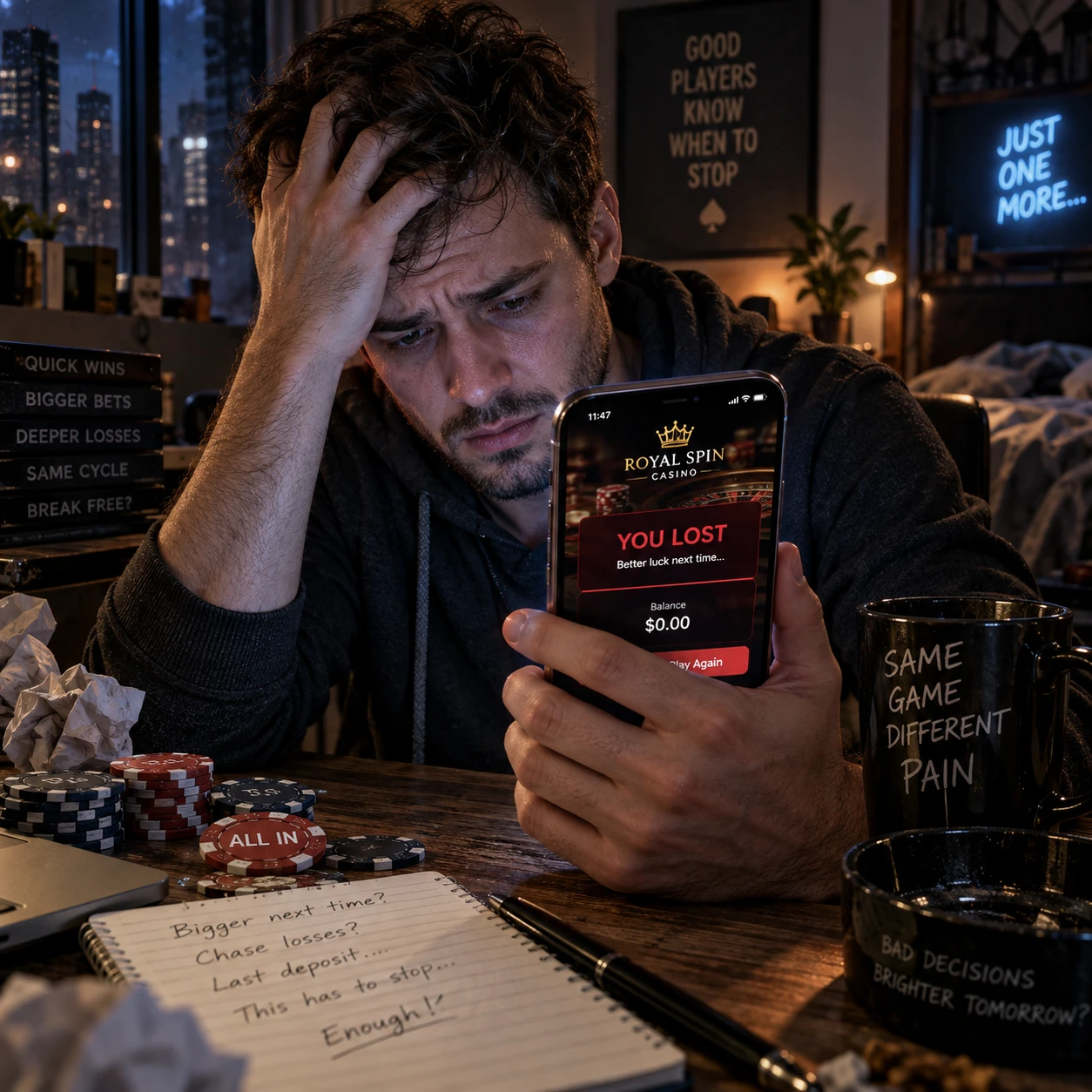
I've watched the online gambling landscape shift dramatically over the past few years, and 2026 feels like a turning point. Crypto casinos are everywhere now—slick apps, instant deposits, flashy bonuses promising life-changing wins. For a lot of people, it's harmless fun on a Friday night. For others, that line between entertainment and compulsion gets blurry fast, and nobody really sees it happen until they're already in trouble. This guide is for anyone who's wondering if their gambling habits have crossed a line, or who loves someone who might be struggling. We'll walk through the warning signs, talk honestly about why crypto platforms carry extra risk, and look at what actually helps—including coaching support that goes beyond just 'try to cut back.'
Understanding Gambling Addiction in the Digital Age
Gambling disorder, as it's clinically called, isn't just about losing money at the tables. It's a behavioral addiction characterized by an inability to stop despite negative consequences—financial, emotional, relational. What's changed in 2026 is the sheer accessibility. Your phone is a casino now. There's no need to drive to Vegas or even visit a physical sportsbook. The casino lives in your pocket, open at 3 a.m. when your judgment is lowest and your impulses are loudest.
Crypto casinos have amplified this problem in ways traditional gambling never could. The combination of 24/7 access, near-instant transactions, and the novelty of digital currency creates a perfect storm for compulsive behavior to take root before anyone—including the person struggling—notices.
Why Crypto Casinos Pose Unique Risks
Here's what makes crypto gambling platforms especially tricky. First, there's anonymity—no bank statements flagging suspicious withdrawals, no paper trail your spouse might stumble across. Second, transactions happen in seconds. You can deposit, lose, and deposit again faster than you can second-guess yourself. Third, many of these platforms operate in regulatory gray zones, meaning there's often less oversight protecting consumers from predatory design.
Then there's gamification—the use of achievement badges, leaderboards, and loyalty tiers that make gambling feel more like a video game than a financial risk. This design isn't accidental. It's engineered to keep you engaged, and it works especially well on people who already struggle with impulse control.
Common Signs and Symptoms of Gambling Addiction
Addiction rarely announces itself. It creeps in through small rationalizations that snowball. Some of the most common red flags I've seen discussed by counselors and in support communities include:
- Chasing losses—betting more to 'win back' what you've lost
- Hiding gambling activity from family or friends
- Borrowing money, maxing out credit cards, or dipping into savings meant for bills
- Neglecting work, relationships, or responsibilities in favor of gambling sessions
- Intense mood swings tied directly to wins and losses
- Lying about how much time or money you've spent gambling
If even two or three of these sound familiar, it's worth pausing and taking an honest inventory of your habits.
The Hidden Impact on Mental Health
What doesn't get talked about enough is the psychological toll. Gambling addiction frequently travels alongside anxiety and depression—sometimes as a cause, sometimes as a consequence, often both. The constant cycle of hope and despair wears down a person's emotional resilience. Sleep suffers. Self-esteem erodes. Many people describe a persistent, low-grade shame that makes it harder to reach out for help, which is exactly why early recognition matters so much.
The Real Cost — Financial and Personal Consequences
The financial fallout can be brutal. In the U.S., credit counseling agencies have reported a noticeable uptick in debt cases tied specifically to crypto gambling losses, partly because digital currency transactions feel less 'real' than handing over physical cash. People rack up debt faster because the psychological friction of spending is lower.
Beyond the bank account, relationships take a hit. Trust erodes when partners discover hidden losses. Careers suffer when focus and energy get diverted. And the stress compounds—financial strain feeds anxiety, anxiety feeds more gambling as an escape, and the cycle tightens.

Responsible Gaming Practices That Actually Work
If you're not ready to quit entirely, or you want to help someone who isn't, responsible gaming strategies can create meaningful guardrails. These aren't foolproof, but they help:
- Set strict deposit and time limits before you start playing, not after
- Use self-exclusion tools offered by most licensed platforms
- Track every dollar spent—seeing the real number often breaks the illusion
- Only use platforms with transparent odds and verifiable licensing
These tools work best when paired with honest self-awareness. Limits only help if you actually respect them rather than finding workarounds.
Evaluating Crypto Casino Platforms Responsibly
If you do choose to gamble with crypto, due diligence matters enormously. Look for provably fair systems that let you verify game outcomes mathematically, clear licensing from recognized jurisdictions, and transparent withdrawal processes without hidden delays or fees. Even when you find what seems like the best crypto casino experience available, remember that platform quality doesn't replace self-regulation. A well-run site can still become a trap if your relationship with gambling is already unhealthy. The platform's fairness doesn't protect you from your own impulses.
Finding Support — Coaching and Professional Alternatives
Here's something I've come to believe firmly: willpower alone rarely fixes a gambling problem. What actually works is structure—accountability, consistent check-ins, and someone helping you rebuild habits step by step. This is where professional coaching comes in. Programs like those offered through Side by Side Coaching focus on personalized support designed specifically to help people break free from compulsive gambling patterns, rebuild financial discipline, and establish healthier daily routines. Instead of constantly chasing the next big platform or bonus offer, coaching redirects that energy toward sustainable, long-term change.
How Coaching Differs from Traditional Rehab
Coaching isn't a replacement for clinical treatment when that's needed, but it fills an important gap. Traditional rehab tends to be clinical, often intensive, and focused on diagnosis and treatment of underlying psychological conditions. Coaching, by contrast, is goal-oriented and action-focused—it's about setting concrete milestones, staying accountable week to week, and building practical systems that prevent relapse. For many people whose gambling hasn't spiraled into a full clinical crisis but is still clearly problematic, coaching offers a more approachable, less stigmatized entry point into getting help.
Building a Sustainable Path Forward
Recovery isn't a single decision—it's a series of small, consistent choices stacked over time. Support groups like Gamblers Anonymous provide community and shared accountability that can be incredibly grounding. Financial counseling helps untangle debt and rebuild stability. Mindfulness practices give you tools to sit with discomfort instead of numbing it with another bet. And finding new hobbies or goals—something that genuinely excites you—helps fill the void that gambling used to occupy.
None of these strategies work in isolation. The people I've seen recover successfully usually combine several: a support group for community, a coach or counselor for accountability, and new routines that replace old triggers.
Recognizing a problem is the hardest and most important step. If you've seen yourself in any of the warning signs above, that awareness is already progress. Responsible gaming practices can help manage risk, but if gambling has taken more than it's given back, professional support—whether through coaching, counseling, or community groups—can make the difference between staying stuck and actually moving forward. 2026 doesn't have to be another year of chasing losses in the dark. Help exists, it's accessible, and recovery is genuinely possible.